
About Reel Kinetic
The story behind the work — and the perspective behind Reel Kinetic
Reel Kinetic Media is built around a simple belief: movement carries meaning — and certain moments deserve to be felt, not just recorded.
That belief is shaped by the life and work of founder John Kreng, whose background in martial arts, stand-up comedy, stunt coordination, action filmmaking, video game design, and sports cinematography gives Reel Kinetic a different way of seeing competition.
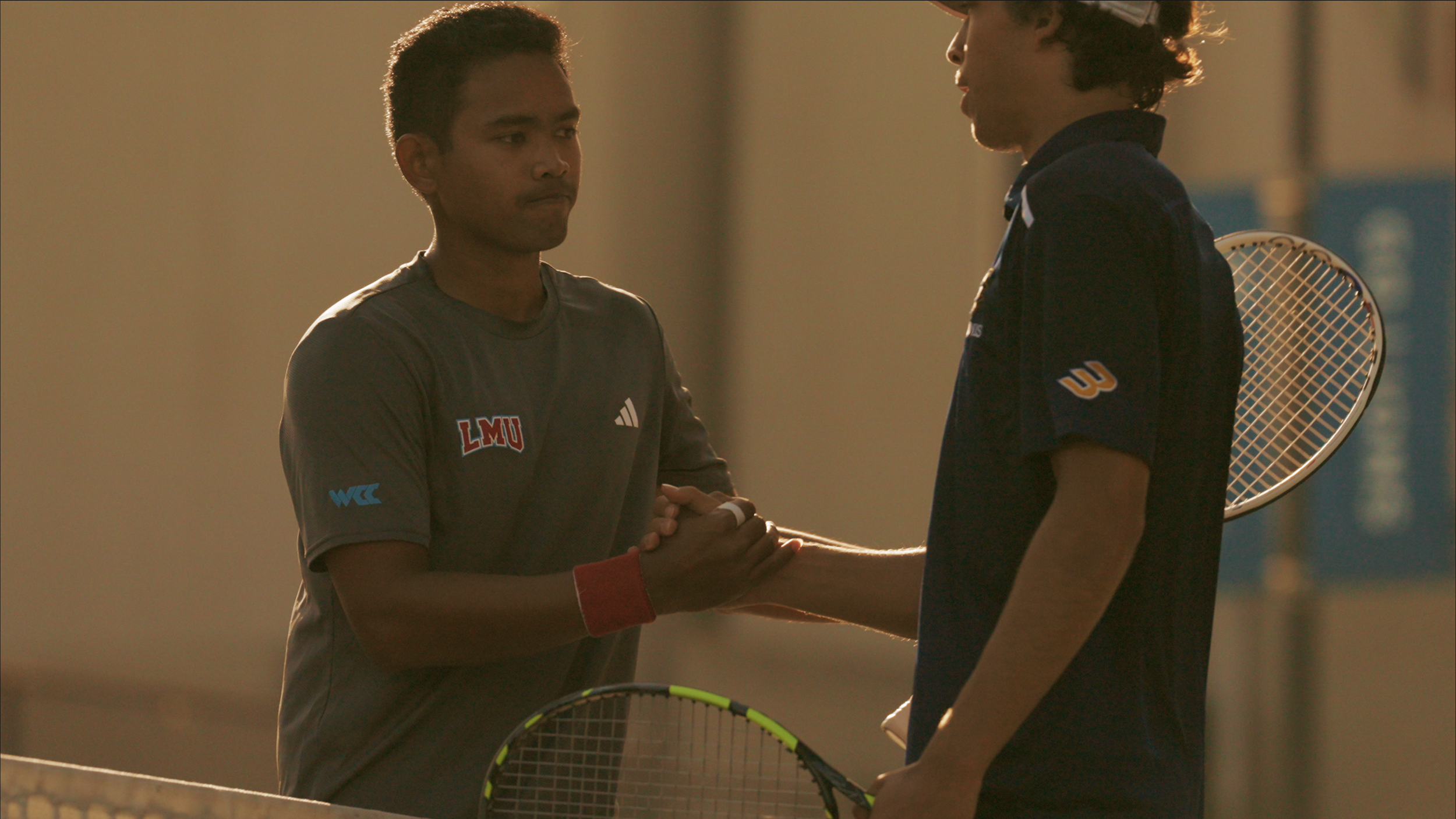
For John, sports is never just about the final score. It is about pressure, preparation, timing, reaction, sacrifice, and the human moments that reveal themselves when everything is on the line.
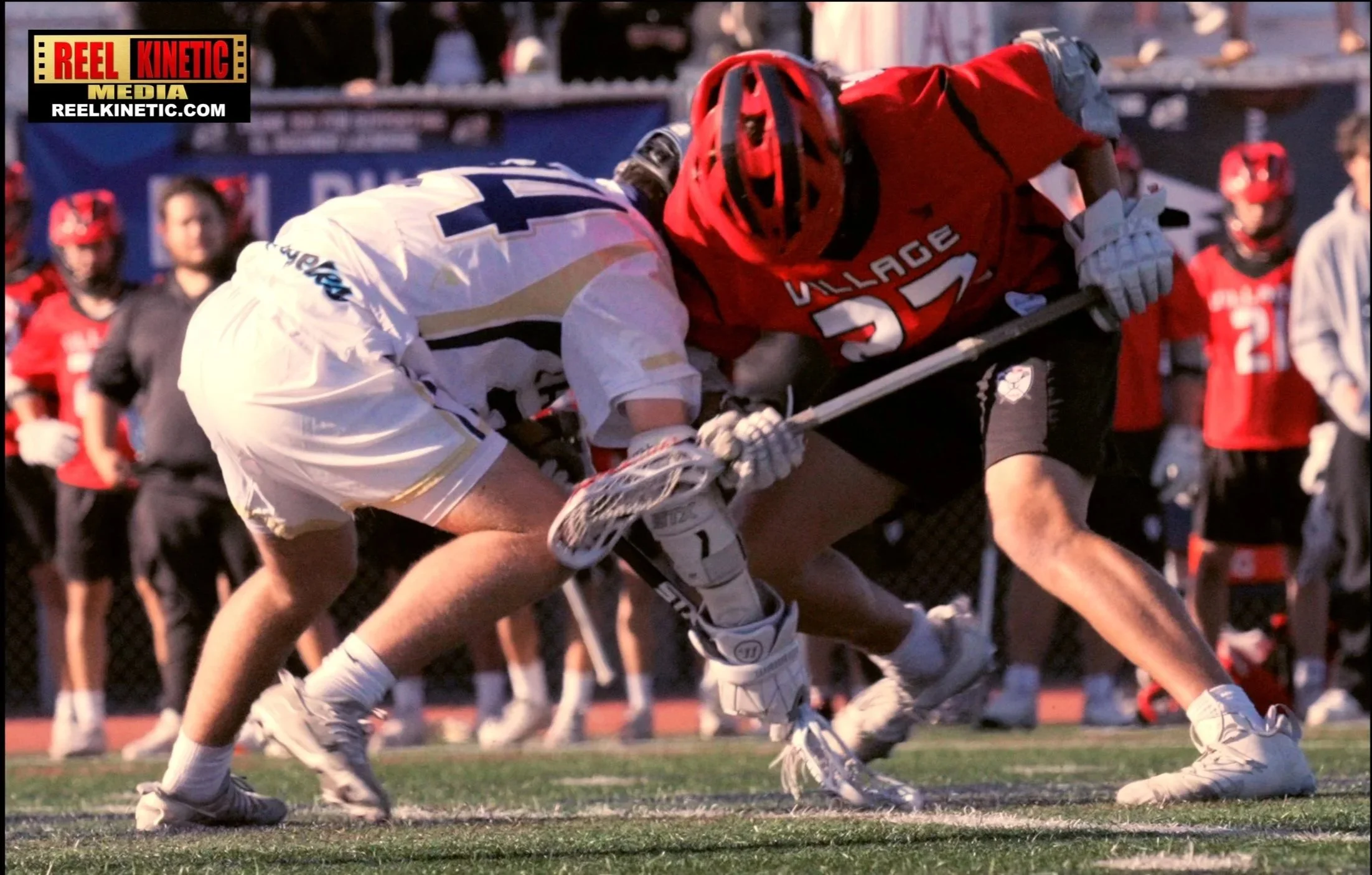
Before Reel Kinetic became a company, it grew out of a lifelong pull toward movement, pressure, performance, and the way certain moments stay with us.
LEARNING TO SEE
Before I ever learned how to shoot, I learned how to see.
As a kid, my mother would leaf through the Sunday newspaper looking for grocery sales and coupons. When she was finished, she would hand me the sports and entertainment sections, and I found myself drawn to certain photographs.
I didn’t know why.
Some images simply made me stop.
I began clipping them out and organizing them by sport, building my own archive of moments that stayed with me long after the game was over.
Not long after, one of my mother’s friends noticed what I was doing and brought me a stack of Sports Illustrated magazines. For the first time, I was exposed to sports photography at the highest level.
One image in particular never left me.
It showed a running back breaking through the defensive line and into the secondary. The runner was sharp and centered. The field was torn apart beneath him. Clumps of grass filled the frame. Even through the helmet, I could feel his determination.
The photograph captured movement, conflict, and perseverance in a single instant.
I must have looked at that image hundreds of times.
At the time, I didn’t realize it, but I wasn’t studying sports.
I was studying my reaction to them.
Why did certain images stay with me?
Why did some moments create emotion while others didn’t?
Long before I understood cameras or filmmaking, I was learning how images create emotional impact.
I just didn’t know it yet.
Before Everything Was Available
This was before VHS, DVD, Blu-Ray, streaming, and home entertainment made movies easy to find.
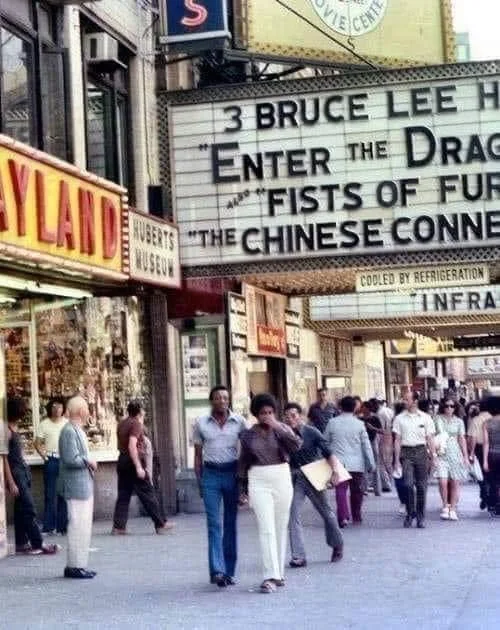
If you wanted to see martial arts films, you usually had to find them in the city’s grindhouse theaters. They would sometimes play in the suburbs, but rarely for long.
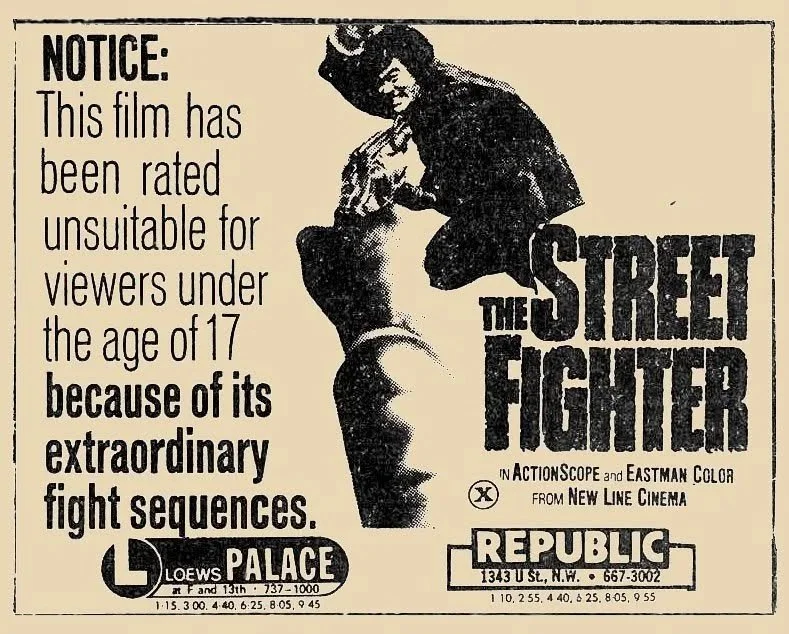
Kung fu movies were not always advertised on television. You found out about them through trailers, newspaper ads, word of mouth, or the posters displayed in front of the theater.
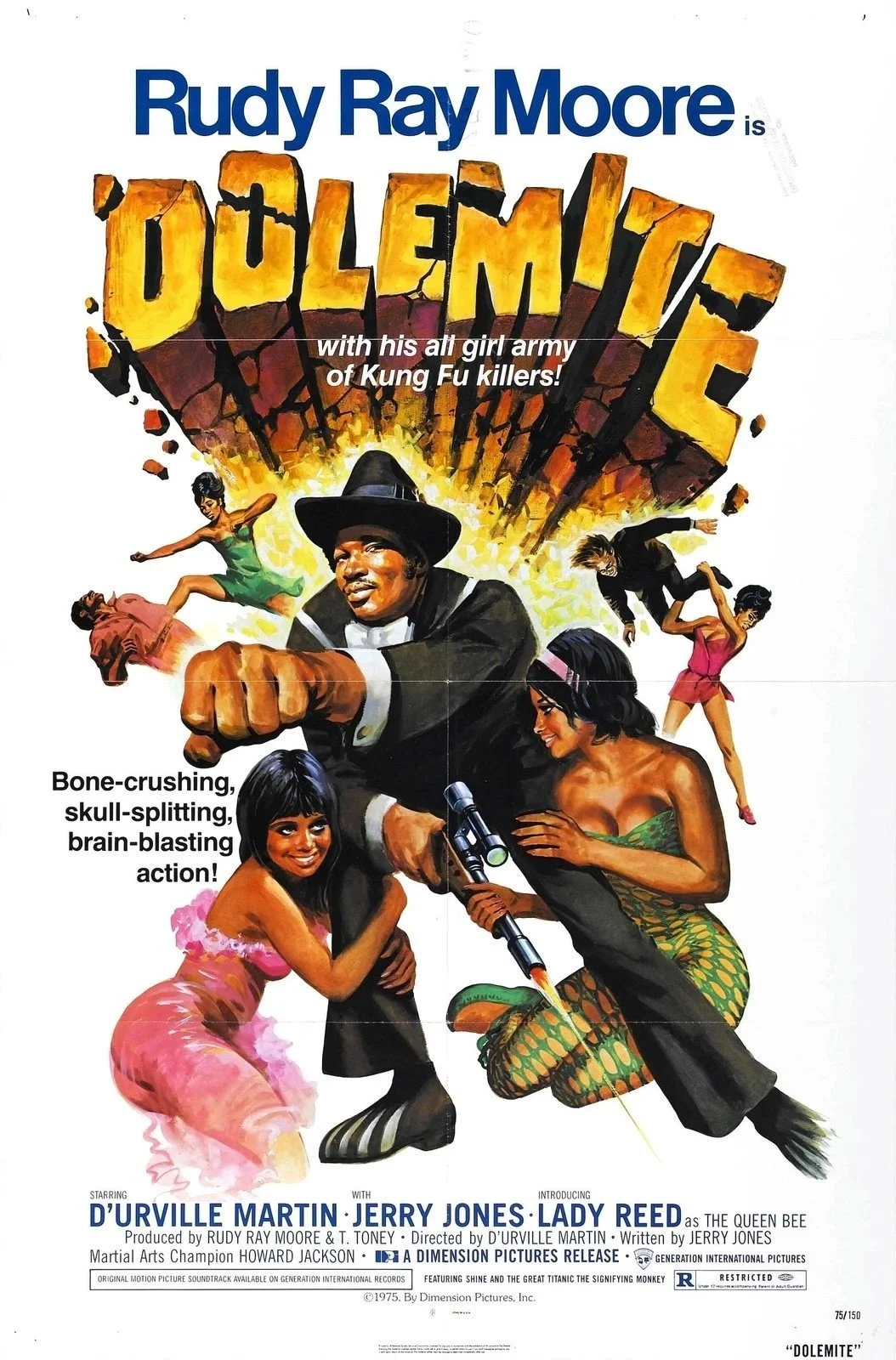
Those posters mattered.
They had to stop you before you walked past the box office. They had to convince you that this was the movie you needed to see before it disappeared and the next feature took its place.
Sometimes the poster was better than the movie.
But that was part of the experience.
Many of those posters were painted with the energy of pulp magazines and comic books. The image had to sell the feeling before the movie ever started.
Most of these screenings were double bills. For $1.50, you felt like you were getting your money’s worth.
Sometimes the second feature was a kung fu movie. Sometimes it was blaxploitation. Sometimes it was a horror film from Europe. The movies were often low-budget, and everyone knew that walking in.
Nobody cared.
They weren’t there for polish. They were there for impact. They wanted to see something wild, shocking, funny, violent, strange, or unforgettable — the kind of moment mainstream cinema would never dare put on screen.
You left the theater feeling energized — maybe even a little taller than when you walked in — because you had just watched the bad guy get what was coming to him.
That was a common thread in both blaxploitation and kung fu movies: injustice was answered, bullies were challenged, and the powerless found a way to fight back.
It felt like a subculture because you had to look for it to find it.
And when you found it, the theater felt alive.
Learning How to Move an Audience
Martial arts films were what pulled me deepest into that grindhouse subculture.
At first, it was the action that drew me in.
But over time, I started watching something else.
The audience.
I watched people leap out of their seats, cheer, laugh, point at the screen, and react as if they were part of the movie itself.
That is why I still have such fond memories of going to grindhouse theaters and first-run Chinese theaters in Washington, D.C. and New York City.
Many of those theaters were already decades old by the time I walked into them.
They were built in another era, when movie theaters still carried the grandeur of live performance houses — ornate, theatrical, and full of ceremony.
Some of that majesty had faded by then, but the buildings still had life in them.
If you looked closely, you could feel it in the architecture — the aging beauty of a place that had seen better days, but still carried the memory of everyone who had ever sat in the dark and looked up at the screen.
But those screenings I attended were never quiet.
They were alive.
The audience did not just watch the movie.
They became part of the experience.
If they loved something, you heard it.
If they hated something, you heard that too.
That became a barometer I still use today when I film and edit:
How is the audience going to respond to this?
Those reactions made me curious.
Why did certain moments trigger an eruption of excitement while others passed quietly?
Why did some scenes stay with people for years while others were forgotten by the time they reached the parking lot?
Without realizing it, I had begun studying audience reaction.
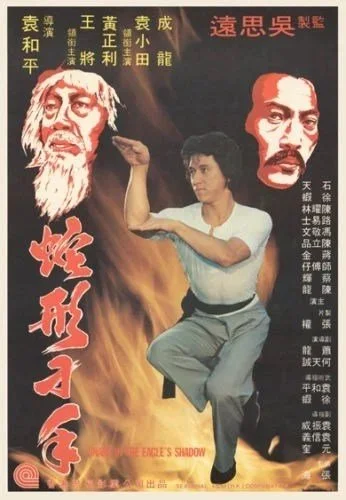
Over time, I noticed that certain filmmakers, performers, and fight choreographers consistently created stronger responses than others. Bruce Lee, Sammo Hung, Jackie Chan, Yuen Woo Ping, and Lau Kar Leung were often at the center of experiences audiences never seemed to forget.
The reactions weren’t accidental.
They were being shaped.
Designing Struggle, Empathy, and Release
The training sequences made you invest in the underdog.
You felt their struggle, their discipline, and their desire to right whatever wrong had pushed them onto that path.
By the time the final fight arrived, you were no longer watching technique.
You were watching everything the hero had endured come to the surface.
You were fully invested because the stakes felt impossible. The villain seemed too skilled, too powerful, or too dangerous to beat.
But the victory usually came through more than strength.
The hero had to discover something — an opening, a flaw, a rhythm, a weakness, or a moment of ingenuity that changed the fight.
That is what made the final confrontation satisfying.
The fight was not just about who was better.
It was about whether the hero had learned enough, suffered enough, and adapted enough to overcome what once seemed impossible.
They were masters at building tension through sympathy and spectacle.
They knew when to let the audience breathe, when to tighten the pressure, and when to hold everything back until the final fight scene released it all.
That final confrontation was not just action.
It was catharsis.
Because of those experiences, one question still guides the way I shoot and edit:
Can we make the audience feel something without saying a word?
That became part of the foundation for how I think about non-verbal storytelling — and how I approach storytelling today.
I didn’t know it at the time, but those screenings helped shape how I would eventually shoot and edit.
That realization changed how I watched movies forever.
I wasn’t just watching martial arts films.
I was studying the relationship between storytelling and audience response.
That question would eventually follow me into stand-up comedy, martial arts, stunt work, filmmaking, video games, and sports storytelling.
The medium changed.
The question never did.
LEARNING WHAT PRESSURE REVEALS
Movies taught me how audiences react.
Martial arts taught me why.
For the first time, I wasn’t observing performance from the outside.
I was living it.
The dojo became a laboratory for understanding pressure, discipline, fear, confidence, failure, perseverance, and growth.
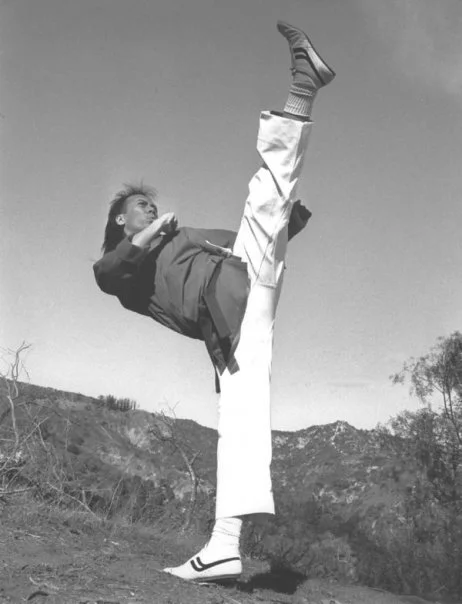
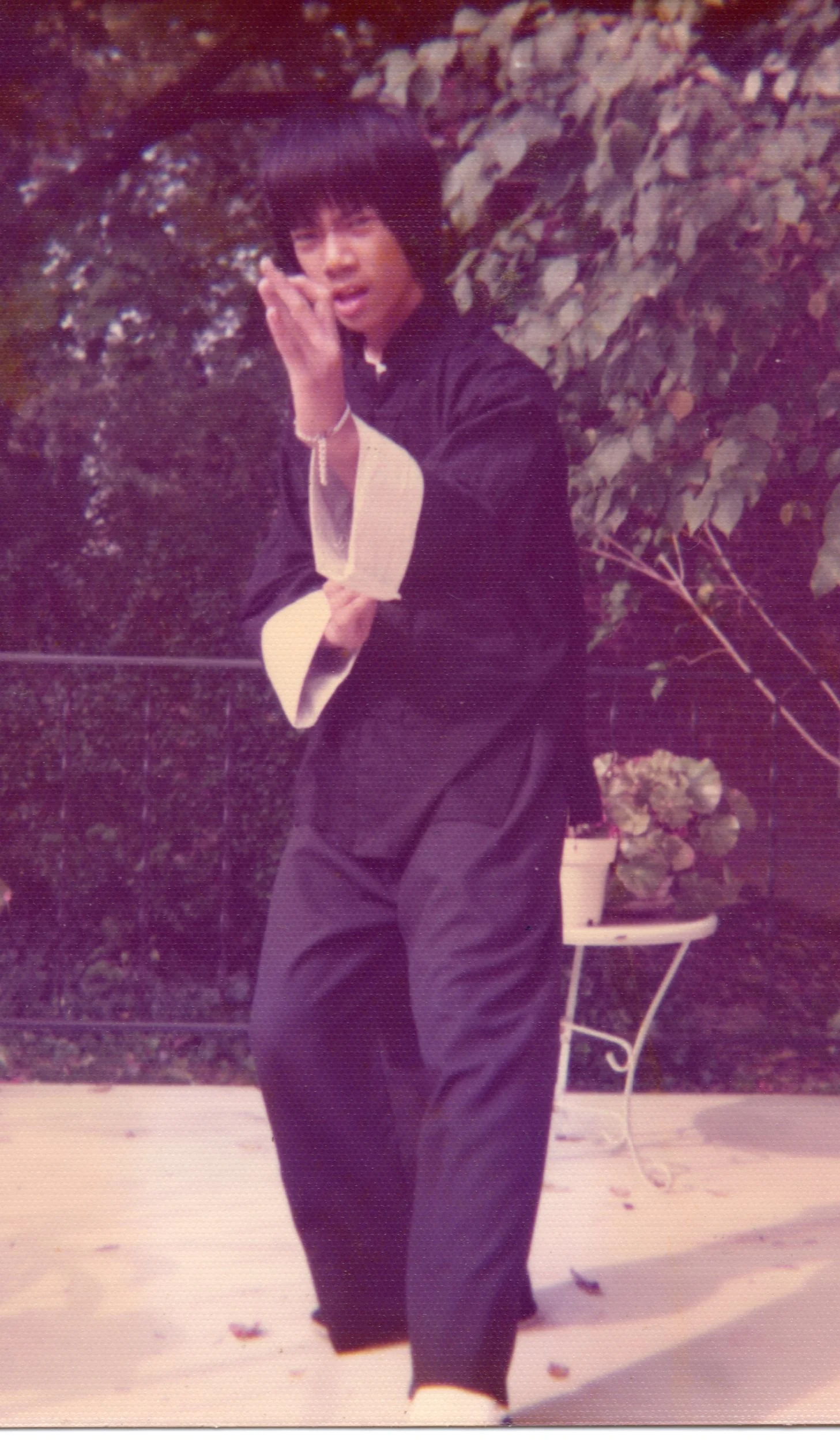
As both a student and instructor, I watched people respond to challenges in very different ways. Some possessed natural talent but eventually quit. Others struggled early, yet continued improving one small step at a time.
I understood those students because I was one of them.
I was never a natural.
Every technique I learned was earned.
One of the most important lessons came during my black belt testing.
I came from an old-hard core martial arts school where candidates trained daily for six months under the scrutiny of a board of senior black belts.
The first time I tested, I failed.
Not because I lacked ability.
I failed because I wasn’t mentally prepared.
I had built the examination into something much larger in my mind than it actually was and defeated myself before the test ever began.
That experience forced me to confront something I would encounter repeatedly throughout life:
Sometimes the greatest obstacle isn’t the challenge itself.
It’s the story we tell ourselves about the challenge.
When I tested again, I approached it differently. I trusted my preparation, learned from the experience, and passed with a unanimous decision from the board.
The lesson stayed with me.
As I progressed through training, competition, and teaching, I began noticing the same pattern over and over again.
Pressure reveals truth.
When people are tired, frustrated, uncertain, losing, or afraid, masks begin to disappear.
What remains is character.
That realization changed how I viewed athletes, performers, teams, and storytelling itself.
Because the most interesting moments aren’t always found in victory.
They’re often found in how people respond when things don’t go according to plan
Learning To Read A Room
My path into stand-up comedy began unexpectedly.
While attending art school, one of my instructors noticed how often I made my classmates laugh and suggested I try stand-up comedy.
At first, I didn’t take the idea seriously.
At the time, I was studying art and working as a graphic design contractor. Both taught me a great deal, but they shared one thing in common:
Feedback moved slowly.
Projects could take weeks or months before anyone responded to them.
Stand-up comedy was different.
You wrote the material.
You performed it that night.
And the audience immediately told you whether it worked.
Every laugh, silence, groan, and applause became feedback.
The audience became my barometer.
For the first time, I found an art form where the response was immediate and impossible to ignore.
While attending Parsons School of Design in New York, I watched Billy Crystal record a live album at The Bottom Line in Greenwich Village.
For several hours, I watched him move effortlessly between humor, storytelling, observation, and personal expression.
Until then, I had never considered stand-up comedy an art form.
That night changed my mind.
Not long afterward, I left art school and pursued comedy full-time.
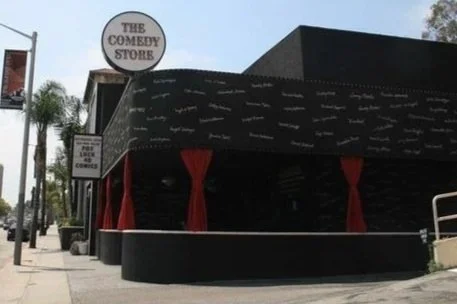
A year later, I moved to Los Angeles and auditioned for The Comedy Store.
I didn’t get in.
The second audition happened under very different circumstances.
I had a paid performance the following night and desperately needed stage time to work on my material in front of a real audience.
I wasn’t able to find any decent stage time on such short notice.
Open mics were available, but they were often filled with comedians waiting for their turn to perform. They weren’t the kind of audiences that could tell you whether material was genuinely working.
After weighing my options, I realized auditioning for Mitzi Shore was probably my only opportunity to get meaningful stage time under the pressure I was accustomed to performing under.
At the time, getting in front of Mitzi required a recommendation from a comedian who was already a regular at The Comedy Store.
Fortunately, I was able to get one.
The truth is, I wasn’t thinking about becoming a regular at The Comedy Store.
I wasn’t thinking about impressing Mitzi.
I wasn’t thinking about the audition at all.
I needed stage time with a real audience before the next night’s show.
That was my focus.
Ironically, because my attention was on the work rather than the outcome, I was more relaxed, more present, and more connected to the material.
After my set, Mitzi Shore called me over and offered me a regular spot at The Comedy Store.
Looking back, the lesson felt familiar.
Much like my first black belt exam, I had been too focused on the outcome.
The second time, I trusted the work.
That shift changed everything.
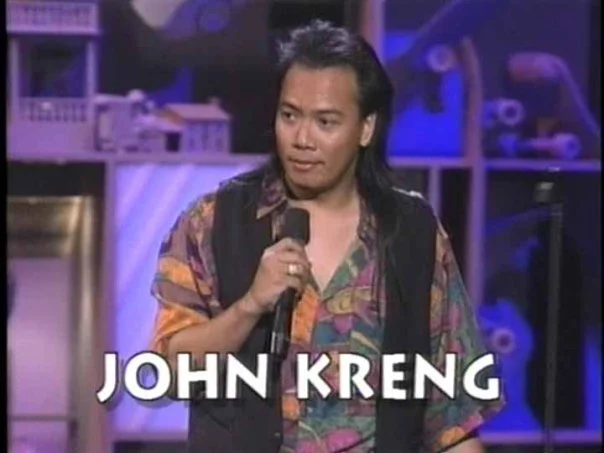
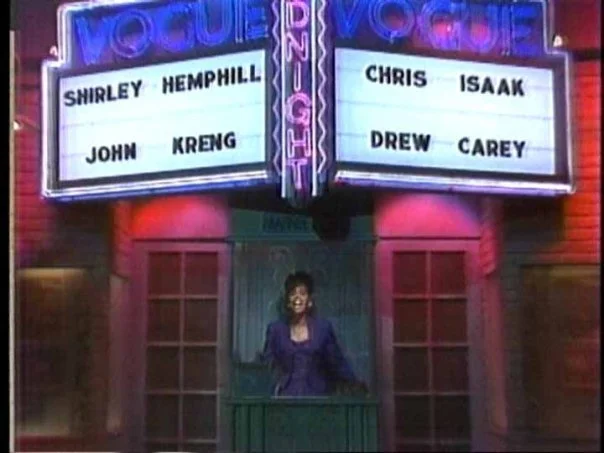
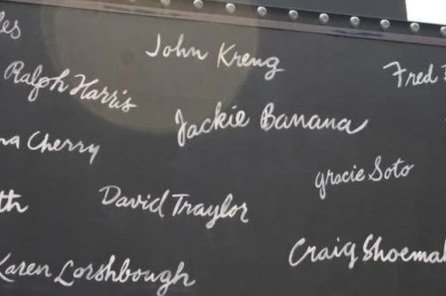
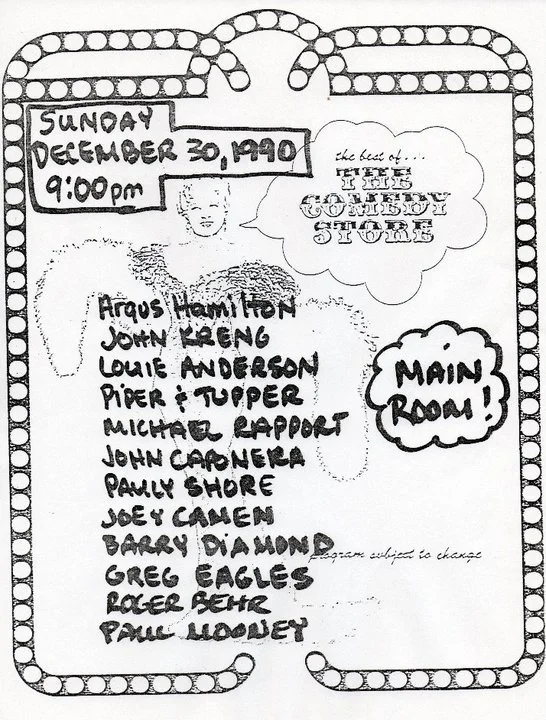
Over the next fourteen years, I immersed myself in stand-up comedy, eventually becoming a Paid Regular at The Comedy Store and making three national television appearances.
More importantly, I learned how audiences think.
Night after night, I watched different comedians connect with audiences in completely different ways. Some relied on charm. Others relied on shock, observation, physicality, or attitude.
The more I watched, the more I realized there was no single formula.
There were only principles.
One of the most valuable lessons came from performing immediately after Robin Williams and, later, Andrew Dice Clay for extended runs at The Comedy Store.
Comedians called these “death spots.” The audience had just been taken on the ride of their lives, and your job was to somehow get them to invest in a completely different performer.
In comedy terms, you had to fight and claw your way out of the hole the previous comic buried you in.
By the time I walked on stage, audiences had already experienced performances from comedians operating at the peak of their abilities.
The challenge wasn’t telling jokes.
The challenge was reconnecting with an audience that was emotionally and mentally somewhere else.
At the time, those weeks felt brutal.
Looking back, they were invaluable.
They taught me to trust my material, stay present under pressure, and guide an audience into a new experience.
More importantly, they taught me that audiences don’t simply react to content.
They react to confidence.
Authenticity.
Timing.
Connection.
The more I studied audiences, the more I recognized the same principles appearing everywhere—in comedy, sports, martial arts films, and storytelling.
People invest emotionally when they feel connected to the experience.
Learning how to earn that connection became one of the most valuable lessons of my life.
LEARNING WHY STORIES WORK
By the mid-1990s, many of my fellow comedians were landing development deals and writing projects. It made me realize I wanted to learn how stories were built, not just performed.
Much of my comedy centered on growing up Asian+American and feeling caught between cultures. Rather than wait for someone else to tell those stories, I enrolled in UCLA Extension’s screenwriting program.
The experience humbled me immediately.
As a veteran joke writer, I assumed I had an advantage. Instead, I discovered that writing for the stage and writing for the page were entirely different skills. On stage, a comedian can rely on timing, voice, attitude, and body language. On the page, the writing has to do all the work.
Many students dropped out.
Industry veterans dropped out.
By the final class, only four of us remained.
Through weekly critiques and film analysis, I became film literate. Movies I once watched only for action revealed deeper layers of structure, character, motivation, and meaning. Films I had once dismissed suddenly became fascinating.
Action was no longer enough.
I became interested in what made action meaningful.
In a later workshop, I wrote a martial arts screenplay and worried my instructor would dismiss it because of the genre. Instead, he told me he liked what I had written because it had “heart and clear motives.”
He was right. Once the screenplay was finished, it was optioned by a major studio.
That lesson stayed with me: genre may get people’s attention, but character, emotion, and clear motives are what make a story work.
Whether it was a film, a comedy routine, a sporting event, or a documentary, audiences weren’t connecting to action alone. They were connecting to the people behind it and the reasons those moments mattered.
Screenwriting taught me to look beneath the surface of events and search for the human motivations driving them.
It is a lesson that continues to shape my work today.
WLEARNING TO SEE THE PROCESS BEHIND THE PERFORMANCE
For years, I studied the work of filmmakers, performers, and fight choreographers whose films consistently created the strongest audience reactions.
Bruce Lee.
Sammo Hung.
Jackie Chan.
Lau Kar Leung.
Yuen Woo Ping.
I wasn’t just watching the action.
I was studying how movement, timing, humor, danger, and storytelling worked together to create emotional responses from audiences.
At the time, I was working as a video game designer and producer when an unexpected opportunity appeared.
A friend who worked for a martial arts magazine asked if I would be interested in interviewing Jackie Chan.
My first reaction was panic.
I had never written a magazine article before and had no idea what I would ask him.
The interview eventually fell through because of a scheduling conflict, but the idea stayed with me.
Not long afterward, I took several of my karate students to see a Jackie Chan film at a Chinese theater. Afterward, we spent hours discussing what we had just seen.
How did he do that stunt?
How did they film that sequence?
How did they make it work?
Listening to the conversation, I realized I wanted those answers too.
For years, I had been trying to understand these films through observation.
Now I had the opportunity to ask one of the people who helped create them.
This time, I had a purpose.
I called my editor friend and asked if the opportunity was still available.
She told me that if I could deliver the interview, she would put Jackie on the cover.
Now all I needed was a way to reach him.
Fortunately, a friend of mine had a connection to Jackie and helped make the introduction.
A few days later, I found myself on the phone with Jackie Chan discussing the films I had spent years studying.
The interview was a success.
At the beginning of our conversation, I told Jackie that I had seen every film he had appeared in since 1977.
At the time, that caught him off guard.
This was around the release of First Strike in the United States. While American audiences were beginning to discover Jackie through films like Rumble in the Bronx, many of his Hong Kong films had not yet been widely released domestically.
Most American interviews focused on the movies audiences already knew.
My questions came from years of studying the films that had shaped him as an artist.
The conversation immediately became different.
Instead of discussing the movies that introduced him to America, we were discussing the work that made him who he was.
For the first time, the study became the work.
By that point, I had spent years studying storytelling, audience reaction, screenwriting, and performance.
I also found myself at a crossroads professionally, taking a temporary sabbatical from stunt work and reevaluating where I wanted to go next.
Because I understood story differently than I had years earlier, I was finally able to appreciate the deeper thinking behind the work.
That interview opened other doors.
Eventually, I would interview Sammo Hung and Yuen Woo Ping, work alongside members of the Yuen Clan, and gain opportunities to observe some of these artists at work.
I watched Sammo Hung during the production of Martial Law.
I watched Yuen Woo Ping rehearse action sequences for The Matrix.
For years, I had studied the finished films.
Now I was seeing how they were actually created.
For the first time, I saw the marrow of creating a fight scene unfold in front of me.
What surprised me most was that the process felt familiar.
Whether it was screenwriting, joke writing, design, or filmmaking, the fundamentals were the same.
Ideas were explored.
Problems were solved.
Choices were refined.
Stories were shaped.
The difference was that I was watching maestros at work.
Here were people operating at the highest level of their craft, making extraordinarily complex creative decisions look completely natural.
What fascinated me most was how open they were to experimentation.
Ideas were constantly being tested, adjusted, discarded, and refined in service of the story.
Watching them work, I realized they weren’t simply executing techniques.
They were exploring possibilities.
What began as experimentation evolved into understanding.
Understanding evolved into feeling.
And eventually, feeling became instinct.
From the outside, it looked effortless.
In reality, I was watching decades of experience reveal itself in real time.
The energy they shared with their teams was infectious.
There was a joy, confidence, and collaborative spirit that made the impossible seem routine.
Watching that process unfold made me want to experience it for myself.
Seeing it firsthand changed the direction of my career.
It pushed me toward stunt coordinating and action design, where I could participate in the creative process rather than simply observe it.
What surprised me most was that the action was never just about the action.
Everything had a purpose.
Every camera angle.
Every movement.
Every edit.
Every reaction.
The more I studied their work, the more I realized they weren’t simply filming movement.
They were communicating through movement.
Working alongside them taught me how camera placement shapes perception, how editing controls emotional rhythm, and how action can reveal character, intention, and story.
Years later, when I began filming athletes and sporting events, I realized I was applying many of the same principles.
Different arena.
Same language.
WHEN MOVEMENT BECAME LANGUAGE
My interest in action filmmaking wasn’t limited to interviews.
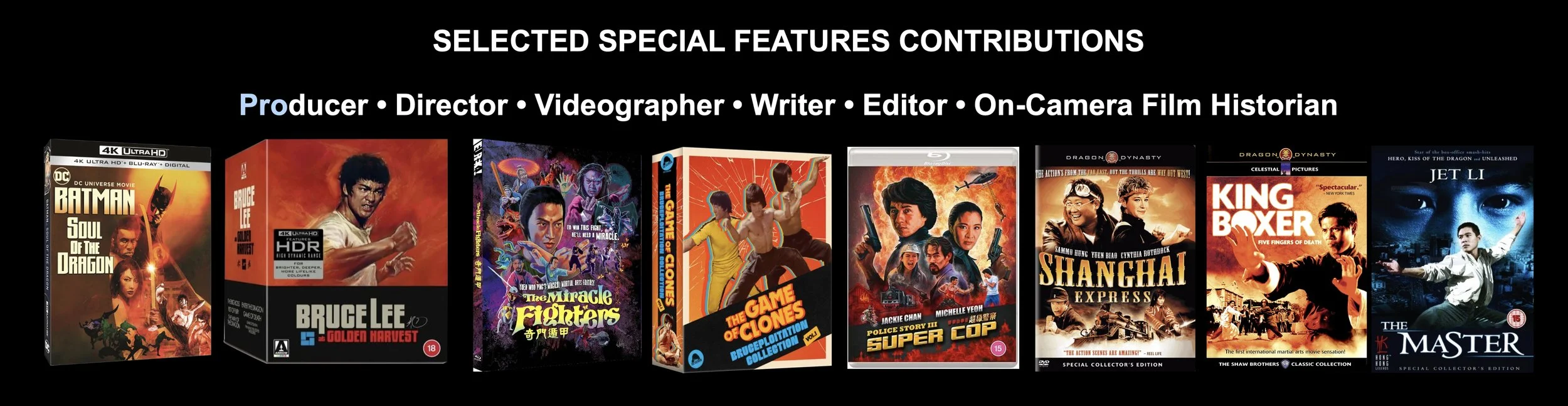
Earlier in my career, I had opportunities to work as a stunt performer on several productions, including fighting Jet Li in The Master with Tsui Hark Directing and Brandy Yuen as the Action Director.
At the time, I knew enough to appreciate the excitement of what they were doing.
What I didn’t yet have was the experience to fully understand why they were doing it.
One of the first lessons I learned as a stunt performer was that I had to unlearn certain habits I had developed as a martial artist.
In martial arts, efficiency matters.
You hide your intentions.
You avoid telegraphing your movements.
You make your actions difficult for an opponent to read.
Film demanded something different.
The audience needed to understand what was happening.
The camera needed to read the technique.
The movement had to communicate clearly.
Instead of concealing intention, I often had to reveal it.
What made a technique effective in real life wasn’t always what made it effective on screen.
A similar lesson emerged through emotion.
In martial arts, revealing too much emotion can create vulnerability.
An experienced opponent may recognize fear, frustration, hesitation, exhaustion, or overconfidence and use it against you.
You learn to conceal what you’re feeling.
Film required the opposite.
The audience needed access to those emotions.
Fear.
Determination.
Doubt.
Confidence.
Relief.
Those emotional shifts weren’t distractions from the action.
They were the story.
The physical techniques explained what the characters were doing.
Their emotions explained why it mattered.
That realization changed how I looked at action.
I began to see movement not simply as physical performance, but as communication.
The goal wasn’t merely to execute a technique.
The goal was to help an audience understand it, feel it, and emotionally respond to it.
Later, I was given the opportunity to stunt coordinate an independent film.
Instead of feeling fulfilled, I left the experience frustrated.
The responsibility was mine.
I realized I understood martial arts, but I didn’t yet understand filmmaking.
I didn’t fully understand camera placement.
Editing.
Visual rhythm.
Or how action functioned within a larger story.
Rather than continue forward with gaps in my understanding, I stepped back and returned to being a student.
I immersed myself in the study of action cinema.
Not just Hong Kong films, but action films from around the world.
Yet I continually found myself returning to Hong Kong cinema because it had become the foundation of how I understood movement and storytelling.
The more I studied, the more I recognized something that many Western filmmakers overlooked.
Everything had a purpose.
Every camera angle.
Every edit.
Every movement.
Every reaction.
Many Hong Kong productions were created under tight schedules and limited resources compared to Hollywood productions. There wasn’t room for waste.
Every creative decision had to earn its place.
The more I studied their work, the more I realized they weren’t simply filming action.
They were communicating through action.
I also began applying what I had learned through screenwriting to fight choreography.
The best fight scenes weren’t collections of techniques.
They were visual narratives.
Each fight had a beginning, middle, and end.
Each exchange revealed information.
Each action created a reaction.
Each sequence moved the story forward.
The fight wasn’t separate from the story.
The fight was the story.
That realization changed everything.
From that point forward, I stopped looking at action as choreography alone and began looking at it as a form of visual storytelling.
Years later, when I began filming athletes and sporting events, I realized I was applying many of the same principles.
Different arena.
Same language.
WHERE EVERYTHING CONVERGED
Looking back, what appeared to be very different paths were really teaching the same lessons.
Sports photography taught me how to see.
Martial arts films taught me how audiences react.
Martial arts taught me what pressure reveals.
Stand-up comedy taught me how attention is earned and how emotional connection is built.
Hong Kong action cinema taught me that movement can be a language.
Each discipline was answering a different piece of the same question:
Why do certain moments stay with us while others disappear?
Over time, those lessons found new forms of expression.
I became a martial arts instructor, stunt coordinator, action designer, writer, producer, and filmmaker.
I wrote books.
Produced and directed documentaries and special features.
Worked with athletes, performers, actors, coaches, and storytellers.
On the surface, those experiences may seem unrelated.
To me, they were all part of the same continuing study.
Human behavior.
Performance under pressure.
Audience connection.
Storytelling.
Eventually, those paths converged through filmmaking.
Film became the place where everything could coexist.
The visual language of photography.
The emotional rhythm of martial arts cinema.
The discipline and perseverance learned through martial arts.
The audience awareness developed through stand-up comedy.
The structure, adaptation, and creativity required to guide people through an experience.
They all found a home behind the camera.
More than twenty-five years in stunt coordination and action design also shaped how I see a camera.
I’m rarely interested in action by itself.
I’m interested in action in relationship to its environment.
The environment provides context. It reveals scale, pressure, opportunity, obstacles, and consequence.
A great moment isn’t just about what happened.
It’s about where it happened, what surrounded it, and what the athlete, performer, or individual had to overcome in that moment.
Because of that, I’m constantly searching for angles that connect the action to the world around it rather than isolating it from it.
The goal is not simply to show movement.
The goal is to help audiences experience it.
That perspective eventually became Reel Kinetic Media.
Not as a production company built around equipment or technology.
But as an extension of a lifelong fascination with performance, pressure, audience response, and storytelling.
Whether I’m filming an athlete, documenting a team, producing a documentary, or capturing a live event, the question remains the same:
What is really happening here?
What are people feeling?
What makes this moment matter?
Because the result tells us what happened.
The story tells us why anyone cared.
THE COMMON THREAD
Looking back, I realize I was drawn to the same thing over and over again.
A martial arts tournament.
A comedy club.
A movie theater.
An arcade.
A sports arena.
Different worlds. The same experience.
Growing up, I was fascinated by the way stories could bring people together. Whether it was a martial arts film, a comedy performance, a video game, or a sporting event, the moments that stayed with me were the ones that created a shared emotional experience among complete strangers.
People from different backgrounds could laugh at the same joke, cheer for the same hero, or become invested in the same outcome. For a brief moment, they weren’t divided by where they came from or what made them different. They were connected by a common experience.
Looking back, I realize this is one of humanity’s oldest traditions. Stories are how we learn, survive, celebrate, pass down knowledge, and better understand both our environment and one another. They have been woven into human communication since our earliest ancestors gathered around fires to share experiences, lessons, warnings, and hopes for the future.
The medium changed.
The question never did.
THE QUEST NEVER ENDS
Beyond Reel Kinetic Media, John has worked as a stunt coordinator, action designer, film historian, author, producer, director, magazine journalist, and video game producer.
He is the author of Fight Choreography: The Art of Non-Verbal Dialogue, a textbook exploring how action scenes communicate character, emotion, and story through movement.
His research and commentary have appeared in documentaries, Blu-ray special features, magazines, and film-related programming where he has discussed the historical, cultural, and artistic significance of influential filmmakers and cinema.
Whether through filmmaking, writing, teaching, research, or storytelling, the pursuit remains the same: understanding how movement, performance, pressure, and human behavior create emotional connection.